
Wastewater · buyer decision guide
Sludge Return Liquor: Trace the Load Before Changing Coagulation
When front-end coagulation becomes unstable after sludge handling, trace the returning liquid before changing the routine chemical program. Identify whether the stream is centrifuge centrate, filter filtrate, thickener supernatant or another specific source; record its flow and composition separately from the main influent. Align dewatering, storage and return-pump events with the mixed-feed and separation response after the actual transport delay. A concentrated small stream can carry a meaningful burden, while a brief hydraulic pulse can upset separation without changing the daily average very much. Investigate source capture, equalization, return location and pretreatment first. Retest coagulant or PAM only against the representative blend and operating cycle that remain after the supported process correction.
TL;DR
Separate the source, the load pulse and the process response. Sample individual return liquors, main influent, their actual blend and separated effluent; pair chemistry with measured flow and a common clock. Check solids, phosphorus fractions, relevant metals, alkalinity and process chemicals according to the source history. Compare a supported source or return-handling correction before assuming a new polymer is needed. Equalization can spread a load over time; solids removal can export a different part of that load. Test the remaining blend with realistic sequence, delay and separation, then verify recurring operation rather than treating one jar as proof of a stable return loop.
Name each returning liquid and its source history
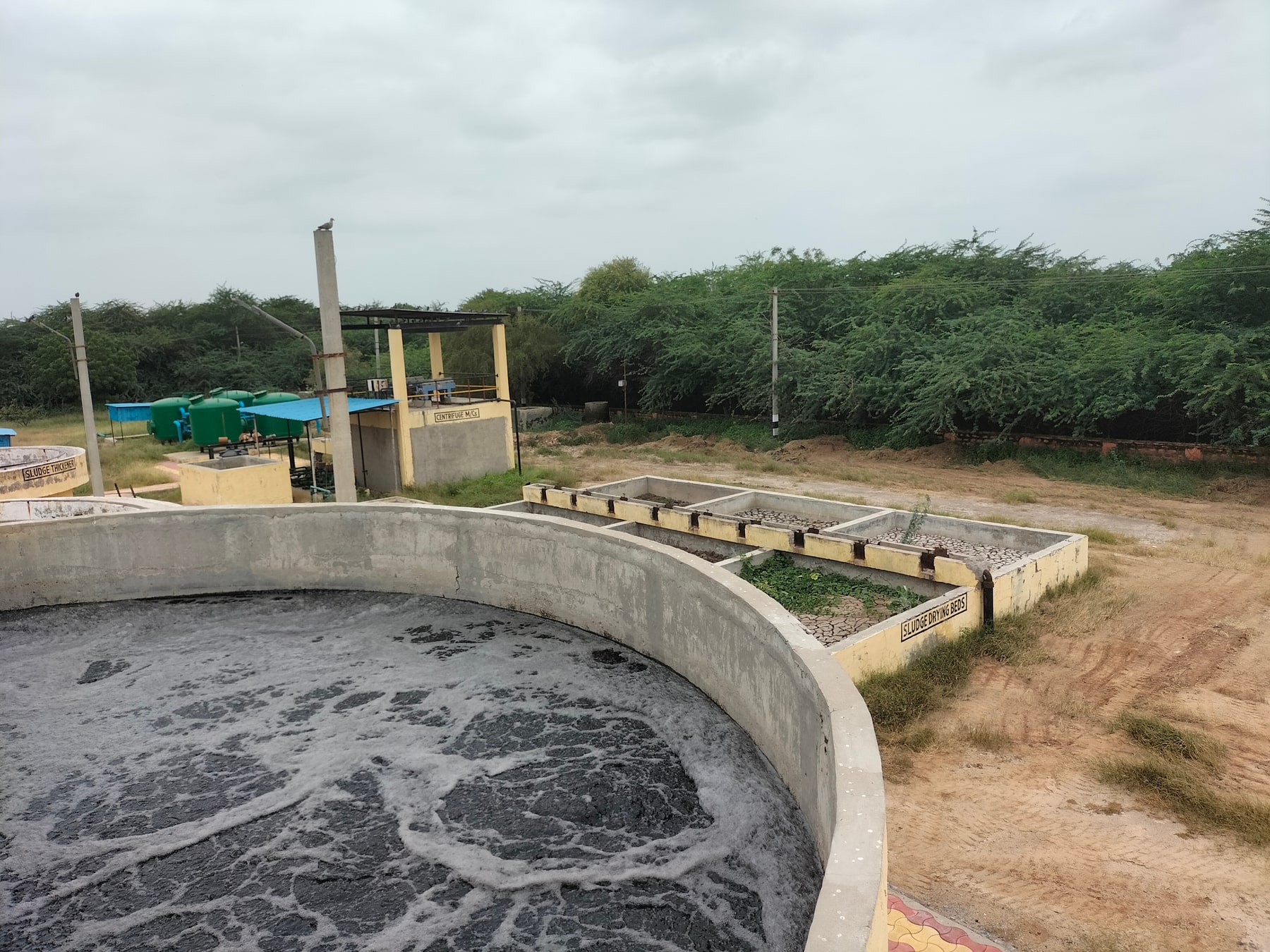
Start at the equipment that creates the liquid, not at a common sump called recycle. Centrifuge centrate, belt or plate-filter filtrate, gravity-thickener supernatant and storage-tank decant can have different production schedules and compositions. Record the incoming sludge source, biological or chemical treatment history, digestion where present, polymer or other conditioning, wash-water additions and the actual collection route. Keep separately generated streams identifiable until their individual contributions are understood.
Return activated sludge is a deliberate biological solids recycle and should remain separately labeled. RO concentrate is a membrane-rejection stream with its own chemistry and design question; it is not another name for sludge filtrate. Even two centrate streams may differ because one comes from digested biological sludge and another from chemically precipitated industrial solids. Use the source history to choose relevant measurements instead of borrowing a generic centrate composition.
Inspect the common collection and return arrangement with the operating team. A sump may receive normal liquor, machine wash water, startup losses and occasional cleaning waste. Pump cycling can combine these into a pulse that looks unrelated to the dewatering schedule. Identify permitted observation and sampling points, and use existing operating procedures for access. The aim is to establish which liquid reaches the front end and when.
Pair concentration with flow and a common time basis
For each source, collect a defensible flow record alongside its analytical results. Keep the main influent upstream of the return as a separate stream. Match a sample of the actual mixed influent after adequate mixing, then sample the relevant separated effluent after the process delay. Four labeled locations are more informative than a changing result from one unlabeled inlet point.
A constituent load is flow multiplied by concentration with consistent units. For flow in cubic metres per hour and concentration in milligrams per litre, the product divided by one thousand gives kilograms per hour. For variable operation, combine matched flow-concentration intervals across the event. Multiplying an unrelated daily average concentration by a short peak flow can misrepresent the actual burden. Report the time basis and analytical uncertainty with the calculation.
For a conservative constituent at a well-mixed junction, compare the flow-weighted concentration of the entering streams with the measured blend. Distinguish the ratio of return load to external influent load from the fraction of total combined load attributable to the return. Both may be useful, but their denominators differ. A flow-weighted balance describes mixing; reaction, settling, storage or changing inventory between sample points requires a broader account.
A small hydraulic return can still carry a relevant solids, nutrient or organic load. Conversely, a watery wash event can change hydraulic residence and separator loading with little added nutrient mass. Keep flow and each decision-relevant constituent visible rather than reducing the return to one percentage. Use measured source ranges to define the question; there is no universal return-flow fraction that resolves it.
| Observed pattern | Evidence to compare | First process question |
|---|---|---|
| Short turbidity or solids pulse during startup | Return TSS/flow, startup sequence, mixed-feed and effluent delay | Is source solids capture or wash/startup routing changing? |
| Reactive-P or organic load rises during a return batch | Source-specific fractions/organics paired with flow | Can the burden be scheduled, equalized or separately treated? |
| Daily average looks normal but separator becomes unstable | Short-interval hydraulic/solids load and actual residence | Does the pulse exceed the present operating envelope? |
| Blend response changes after upstream chemical adjustment | Product identity, source history, matched blend tests | Does the remaining chemistry task require controlled revalidation? |
Align the first changed event with the downstream response
Put the relevant operations on one clock: sludge withdrawal, thickener or dewatering start and stop, conditioning changes, sump level, return-pump operation, main-flow changes and front-end chemical feed. Add sample times and instrument response. Estimate transport and process delays from the actual hydraulic path, and verify them with the responsible process team where needed. Do not align every downstream symptom with the nearest clock-time event by convenience.
Compare at least a representative normal period, the suspect event and recovery. If the return pulse precedes the mixed-feed change and separator response by a plausible delay, it becomes a focused hypothesis. If the symptom starts before the return arrives, investigate other causes. Keep concurrent production discharges, pH corrections, separator cleaning and instrument maintenance in the timeline; a repeated association still needs a controlled comparison.
Use recurring operation to distinguish a batch pulse from accumulating inventory. Solids or phosphorus captured upstream may be processed and returned later. Follow the material through its next handling step rather than declaring success when the first jar settles. The return system can delay or redistribute the burden, and a short observation window can mistake that delay for removal.
Choose analyses from the source and the decision
Measure suspended solids and turbidity when the question concerns escaped particles or colloids, but keep the two measurements distinct. Use phosphorus fractions when nutrient return matters, with the same laboratory definitions used for the main stream. Include relevant iron and aluminum after metal-salt treatment, and pH/alkalinity where buffering or biological response may change. Salinity, conductivity and relevant organics can help describe a changed matrix; none identifies every constituent on its own.
Residual-polymer concern requires the actual product identity, conditioning history and a suitable analytical or controlled process comparison. A cloudy filtrate is not a specific polymer assay. Product changes, feed interruption, preparation differences and upstream metal solids can all be relevant alternatives. If the open question is make-down or machine performance, use the existing PAM preparation guide or high-solids candidate-screening guide; this investigation instead owns what returns to the front end.
Record temperature and storage time when they can alter the sample or process response. Digested, stored and fresh chemical sludges need different interpretation. Municipal sidestream literature establishes why source and load matter, but its example composition cannot be assigned to an industrial filtrate. Take measurements that can change a decision and retain the method and sampling uncertainty beside them.
Compare return-handling corrections before changing routine feed
If the burden is particulate and linked to a source-separation event, review source capture and the routing of startup or wash liquid first. If the problem is an intermittent pulse, compare a controlled return schedule or equalization within the approved operating plan. Equalization spreads a burden over time; track the tank inventory and eventual discharge so that a quieter peak is not reported as mass removal.
A different return point can change the receiving process, available contact, mixing and downstream solids load. Review the complete path with the designer or responsible operating team before moving it. Avoid transferring a difficult constituent past the barrier intended to remove it. Diversion or temporary storage must have an authorized destination and a managed inventory; they are not permission to discharge an untreated stream elsewhere.
Where the source carries a burden the existing train cannot adequately address, assess targeted pretreatment or separate treatment against the actual constituent. Include its residuals, sludge and return connections in the balance. A nutrient, dissolved-organic or hydraulic capacity question may need a different treatment review from a coagulant adjustment. The right first action is the one supported by the measured mechanism and available plant capacity.
After a supported correction, repeat the same time-aligned observations without changing several unrelated variables. Compare the main-feed condition and production schedule as well as the return. Keep the intervention, observation period and acceptance endpoints explicit. This makes it possible to tell whether the correction addressed the recurring cause or merely coincided with an easier operating day.
Retest chemistry against the remaining representative blend
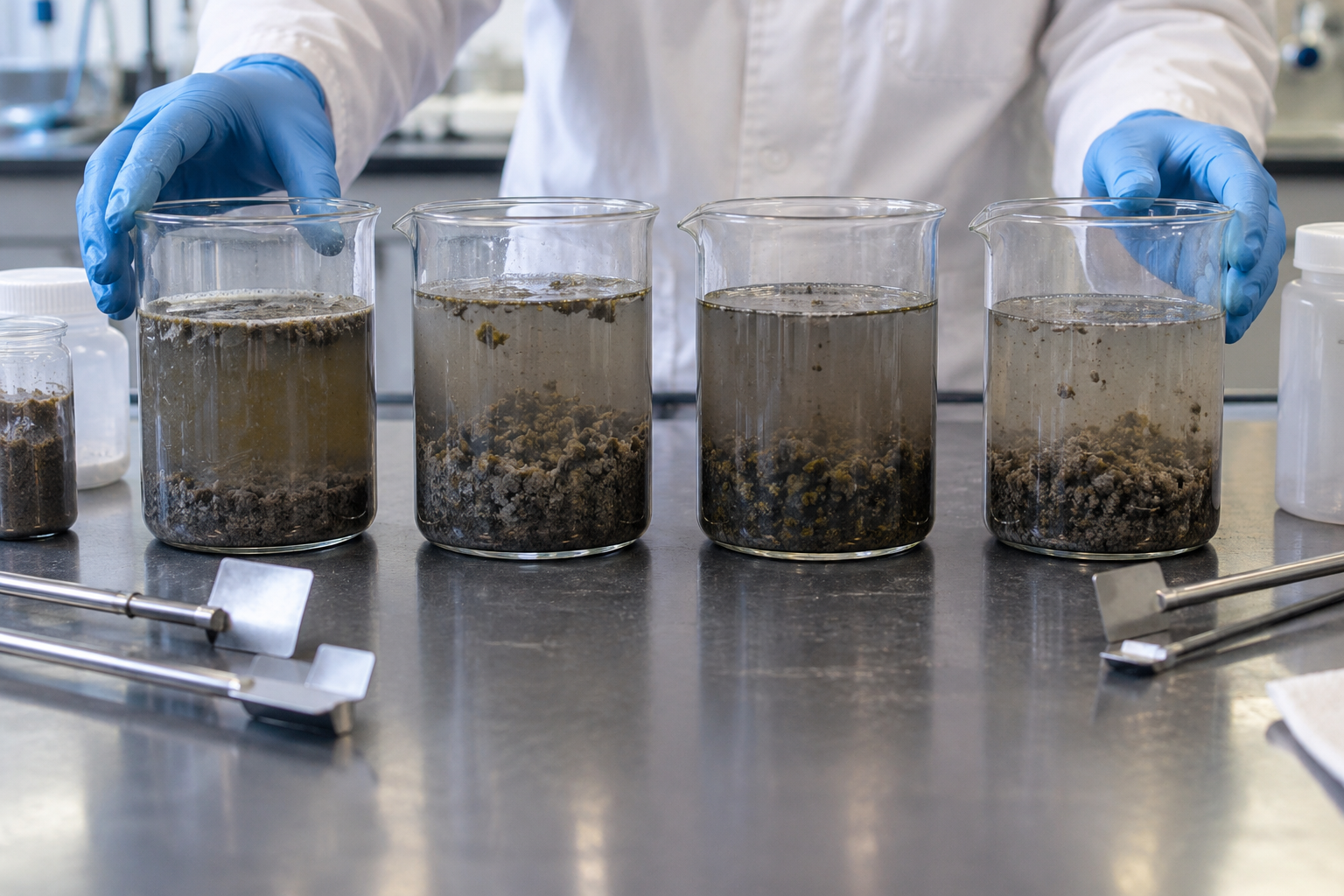
If the remaining question concerns coagulation or flocculation, prepare samples from the measured source streams and credible operating blends. Preserve the actual addition order and relevant delay between conditioning, collection, return and mainstream treatment. Include the present program and suitable controls. Compare final water, solids capture and sludge behavior under the representative settling, flotation or filtration conditions, not just floc appearance.
A single blend test is a screening result. Confirm useful candidates through repeated batch events, a continuous pilot or a controlled plant trial appropriate to the system. Follow the stream into subsequent sludge handling and return where that loop is material. Record equipment load, solids inventory, filter or clarifier response and recovery after the event. Escalate unexplained or accumulating burdens before extending the trial.
The PAM and PAC pages provide real product-identity inquiry routes. Obtain current grade documentation and define the remaining task before selecting candidates. This guide does not choose a charge type, dose or preparation recipe, and an existing product name supplies no measured compatibility or return-loop guarantee.
Give the supplier a source-to-response record
Start with the coagulants and flocculants category once the specific chemical question is established. Use the related water-treatment application as context, not an assumption that every industrial return has municipal composition. If phosphorus feed location remains the decision, continue to the phosphorus reaction-and-separation guide.
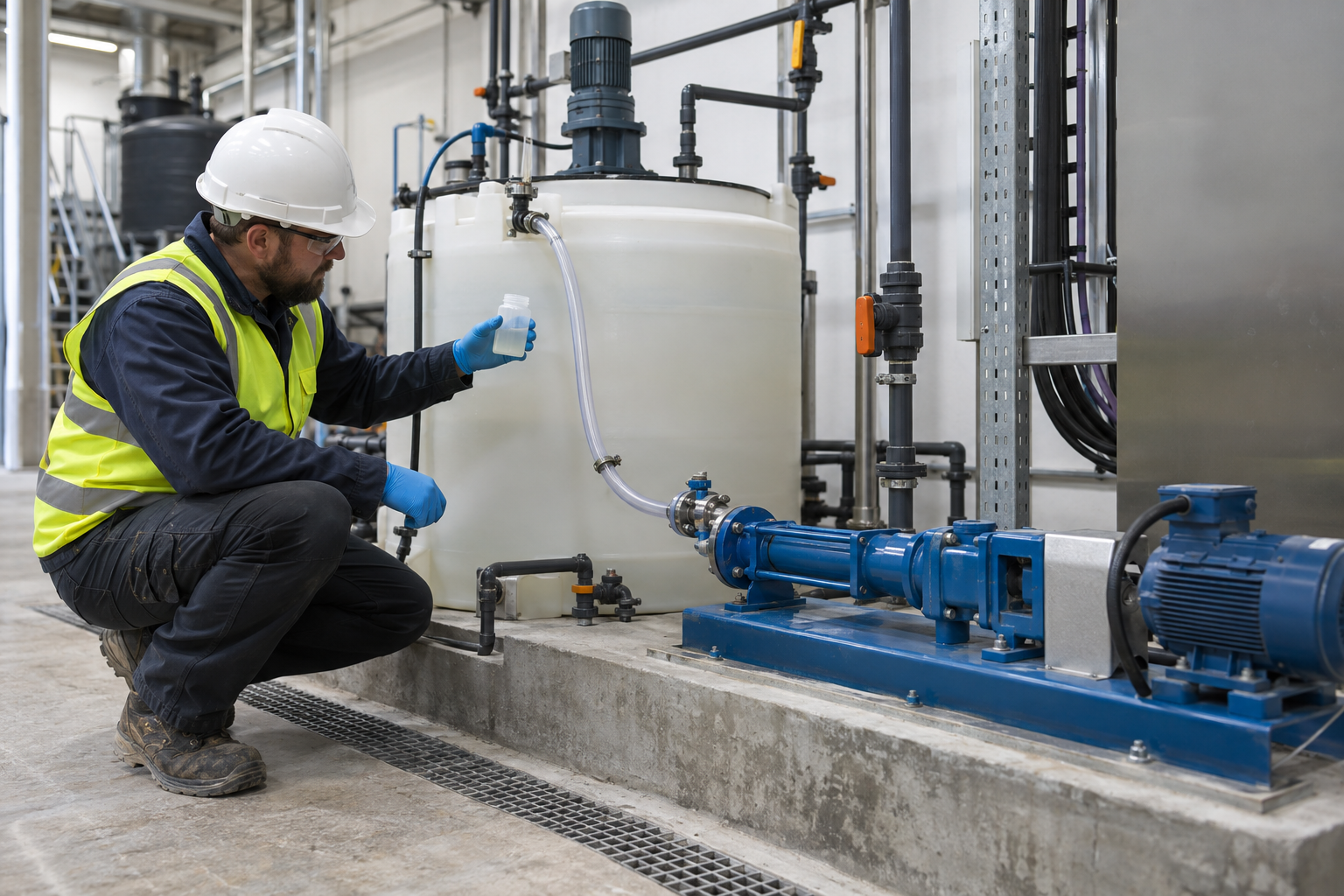
Send an inquiry with source histories, a marked process sketch, flows and time basis, paired return/main/blend/effluent analyses, return and dewatering events, present chemical identities, supported corrections and the proposed trial endpoint. Add quantity and destination for quotation. A clear packet lets the discussion focus on whether a candidate-grade test is useful, or whether the remaining issue belongs to return handling or process capacity.
Frequently asked questions
Is a small return flow necessarily a small treatment load?
No. Pair each source concentration with its actual flow and time basis. A small stream can carry a relevant constituent burden, while a dilute pulse can create a different hydraulic problem.
Are centrate, filtrate and thickener supernatant interchangeable?
No. Identify the equipment, sludge origin, digestion or conditioning history, wash water, storage and return route. Their compositions and event patterns need separate measurement before combining them.
Should coagulant be increased whenever centrate returns?
Investigate the source load, blending and delayed process response first. A supported source-capture, equalization, routing or pretreatment correction may be needed before revalidating chemistry on the remaining blend.
Does equalization remove the returning phosphorus or solids load?
Equalization changes when material reaches the process. Track inventory and eventual discharge. Establish phosphorus removal through measured export from the relevant boundary; changing its chemical form alone does not remove its mass.
Can one blend test validate continuous sludge-liquor return?
No. Use it to screen a defined chemistry question, then confirm representative recurring events or continuous operation, including subsequent sludge handling and material returns where relevant.
Passender technischer Pfad
- Product range: Coagulants & Flocculants: Match Water and Separation
- Product: Polyacrylamid (PAM) — Hersteller und Lieferant
- Guide: Wastewater Phosphorus: Feed Point & Trial
- Guide: Kontakt